Drone Flight
Commercial Roof
Building & Roof Inspections
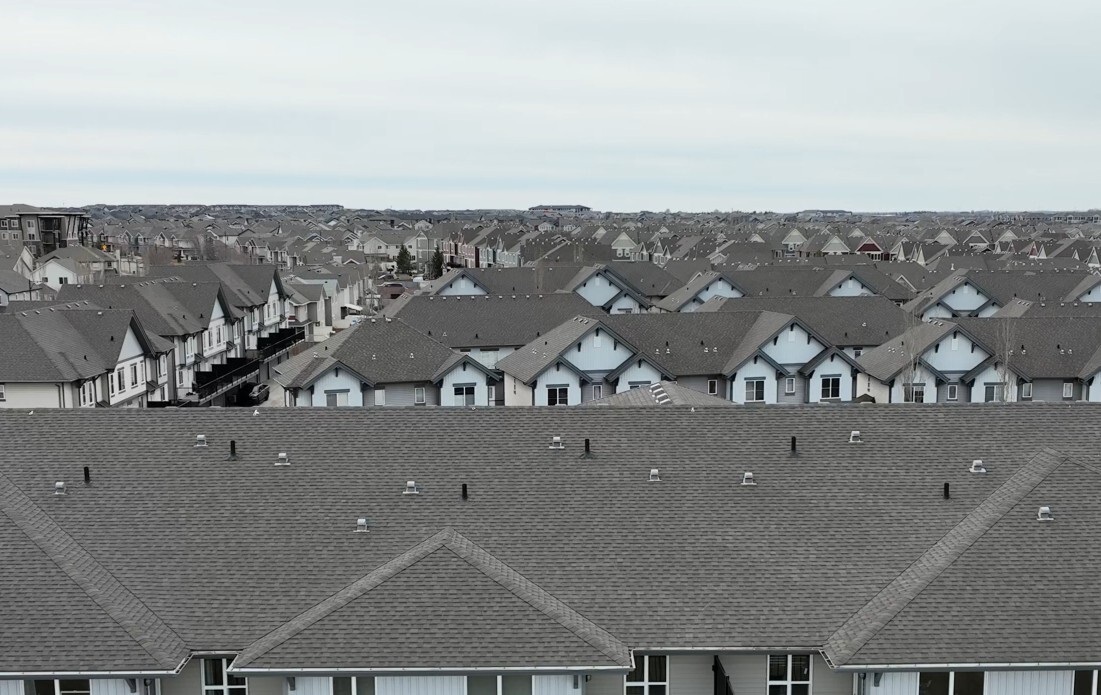

Over the past few days, Edmonton and surrounding areas have seen wind gusts pushing 80 km/h.
For most people, it’s just an inconvenience.
For your building… it’s a stress test.
Roofs rarely fail all at once.
Instead, they develop:
You won’t see these from the ground.
And most of the time… you won’t even notice them right away.
But wind will.
It lifts, pulls, and pressures every vulnerable point.
If something was close to failing… this kind of weather accelerates it.
Here’s where things get expensive:
Nothing shows up immediately.
Then:
By that point, you're reacting, not managing.
After a wind event, getting eyes on the roof matters.
But traditional methods come with trade-offs:
Aerial roof scanning changes the timing and the quality of that decision.
Using high-resolution visual imaging (and thermal where conditions allow), you can:
All without:
Right now, after a multi-day wind event, the question isn’t:
“Do we have damage?”
It’s:
“Do we know for sure we don’t?”
Because if something did shift, loosen, or open up…
catching it early is the difference between a small repair and a major expense.
For building owners, property managers, and condo boards:
You don’t need to scan your roof every week.
But after weather like this?
It’s one of the most cost-effective times to take a look.
Because the wind already did the hard part, it showed you where to look.
If you’re unsure what condition your building is in after the recent winds, we can help provide a clear, non-intrusive visual overview so you can make informed decisions.