Drone Flight
Commercial Roof
Building & Roof Inspections
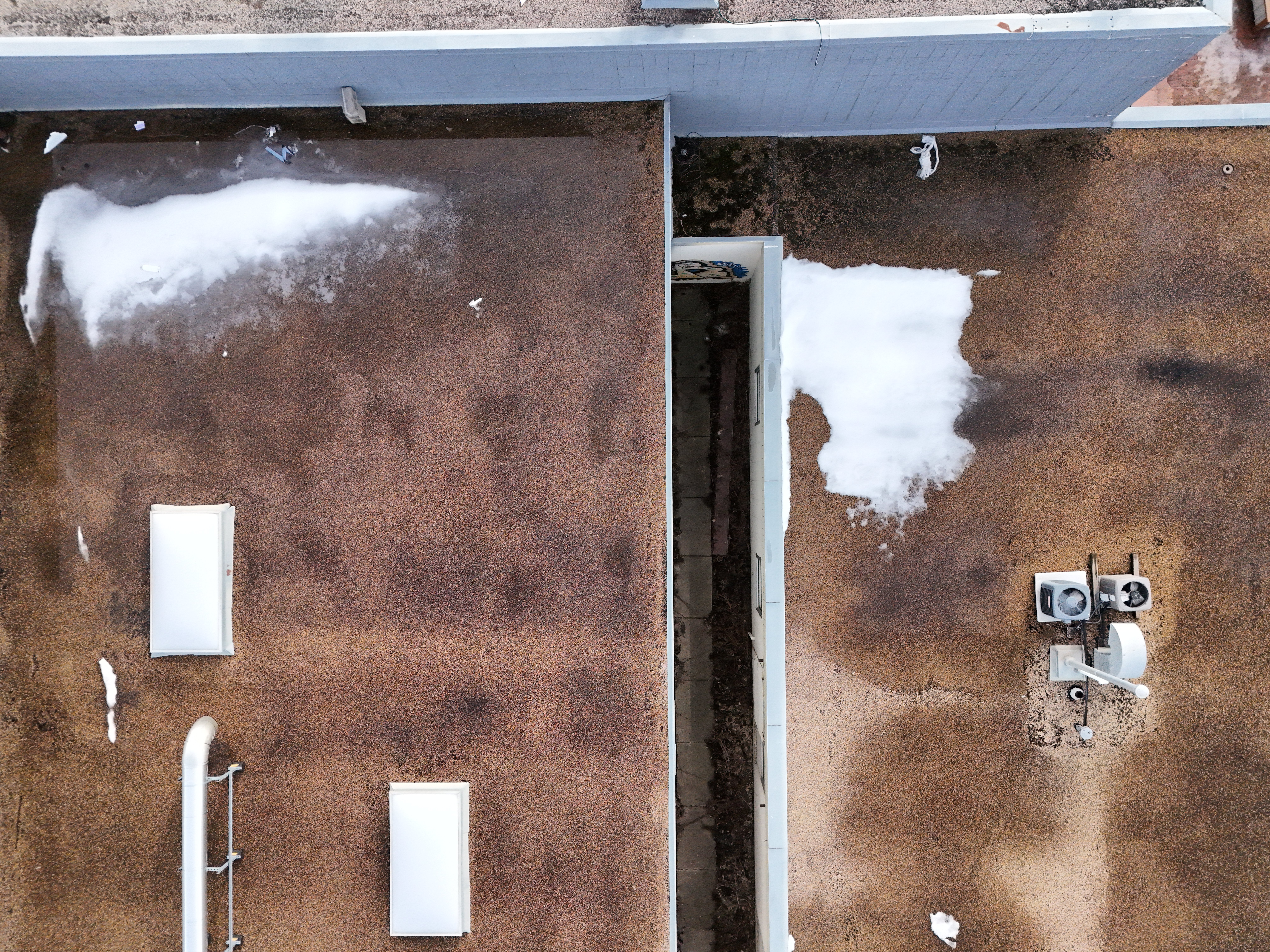

In Alberta, winter has a way of masking issues that would be obvious in July. Snow loads flatten profiles. Ice bridges gaps. Temperature swings tighten and loosen materials daily. From the ground, everything often looks fine, right up until it isn’t.
By the time the first warm stretch hits, what looked like a quiet winter can turn into leaks, interior damage, or emergency calls that nobody budgeted for.
This isn’t a scare story. It’s just how buildings behave in our climate.
Alberta buildings deal with a unique mix of conditions that make winter deceptively calm:
For owners and facilities teams, this creates a false sense of stability. Winter feels like a holding pattern. In reality, it’s a slow-loading phase.
When temperatures rise, several things happen quickly:
This is why many spring roof issues feel sudden, even though the contributing factors have been building since December or long before.
It’s important to be clear about roles.
Aerial data collection doesn’t replace hands on repair work, qualified trades, or formal inspections where those are required. What it can do is help decision makers see patterns and prioritize intelligently before crews ever step onto a roof.
Used properly, aerial visuals can support:
In winter and early spring, this kind of perspective can be especially useful because it reduces unnecessary access while still keeping leaders informed.
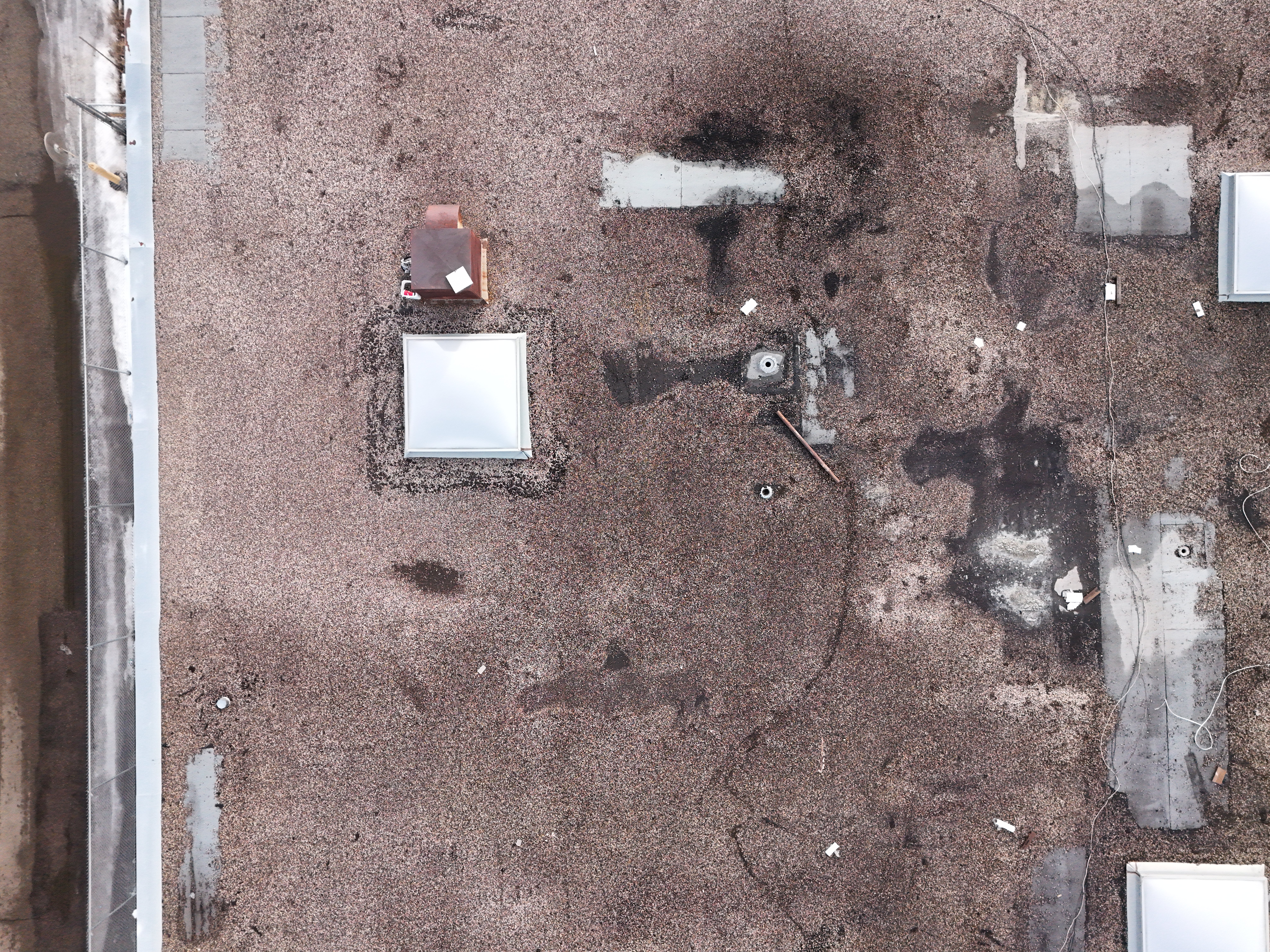
For buildings across Edmonton, Calgary, and smaller centers alike, a few regional realities matter:
None of that is a failure of management. It’s simply the environment we operate in.
If you’re sharing this internally or thinking ahead to spring planning, visuals that tend to land well include:
Clear visuals reduce interpretation, debate, and delay; especially at the executive level.
Winter doesn’t create most roof problems.
It just hides them long enough to make the reveal inconvenient.
Awareness, documentation, and timing matter more than panic or perfection. The goal isn’t to find everything. It’s to know enough to make good next decisions.
If you’re a building owner, facilities manager, or construction leader in Alberta and this resonates, the best next step is usually a conversation - not a sales pitch, and definitely not a rush job.
Just a practical discussion about what you’re responsible for, what you’re seeing (or not seeing), and how to head into spring with fewer surprises.
That’s often where the real value starts.
Darrel